
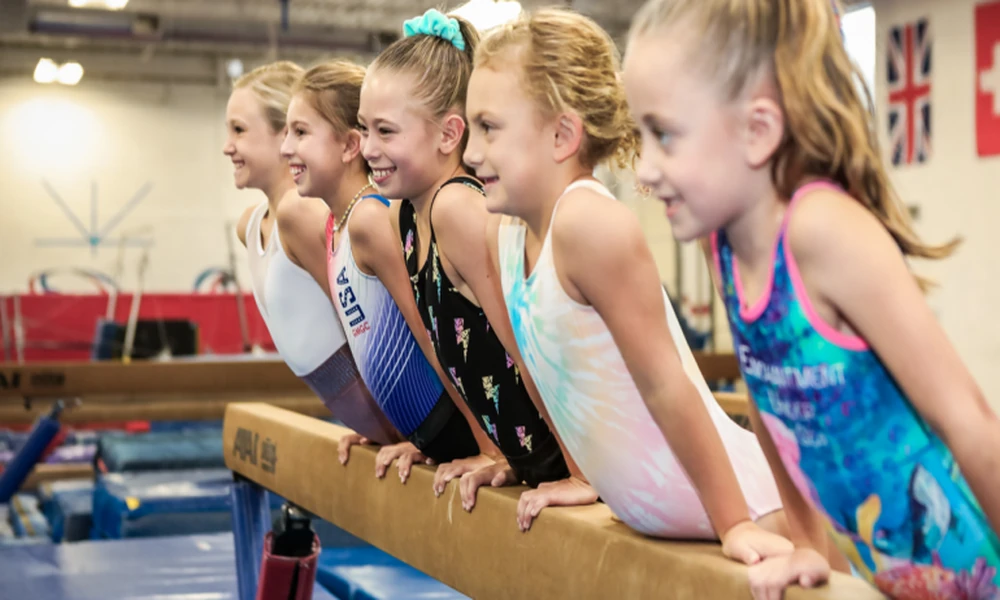
Physical activity is one of the cornerstones of a healthy childhood, and gym classes offer young people a wonderful way to move, play and grow stronger. Far more than simply a chance to run around, structured gym and fitness classes can support a child’s physical development, confidence and wellbeing in a remarkable variety of ways.
The physical benefits are perhaps the most obvious. Gym classes help children develop strength, flexibility, balance and coordination. Through a range of activities, from climbing and tumbling to running and jumping, young people build the fundamental movement skills that underpin all physical activity. These skills, developed early, lay the foundation for a lifetime of healthy, active living.
Gym classes are also superb for developing coordination and body awareness. Many of the activities involved require children to control their movements precisely, to balance, to time their actions and to understand where their body is in space. This kind of physical literacy supports everything from playground games to handwriting, and it builds a child’s confidence in their own physical abilities.
Parents often find that schools with excellent sports facilities give children the chance to build strength, confidence and a love of movement.
There are real benefits for confidence and self-esteem too. Mastering a forward roll, climbing higher than before or finally managing a tricky movement gives children a genuine sense of achievement. Overcoming a physical challenge teaches young people that effort and practice pay off, a lesson that builds resilience and self-belief far beyond the gym.
Gym classes can be wonderfully inclusive as well. Because they offer such a wide range of activities, there is usually something for every child to enjoy and excel at, whatever their natural strengths. A child who finds team sports daunting may discover they love gymnastics or climbing, gaining a sense of belonging and accomplishment they might not find elsewhere.
The social side of gym classes should not be overlooked. Working alongside others, taking turns, encouraging classmates and sometimes working in pairs or groups all help children develop important social skills. Friendships form, cooperation is learned and a sense of shared enjoyment grows. Schools such as St Helen’s recognise how much children gain from active, sociable classes.
From physical health and coordination to confidence and friendship, gym classes support children in countless ways. They make physical activity fun and accessible, helping young people develop healthy habits and a positive relationship with movement that can last a lifetime. More on the value of physical activity can be found at https://www.sthelens.enterprises/.