
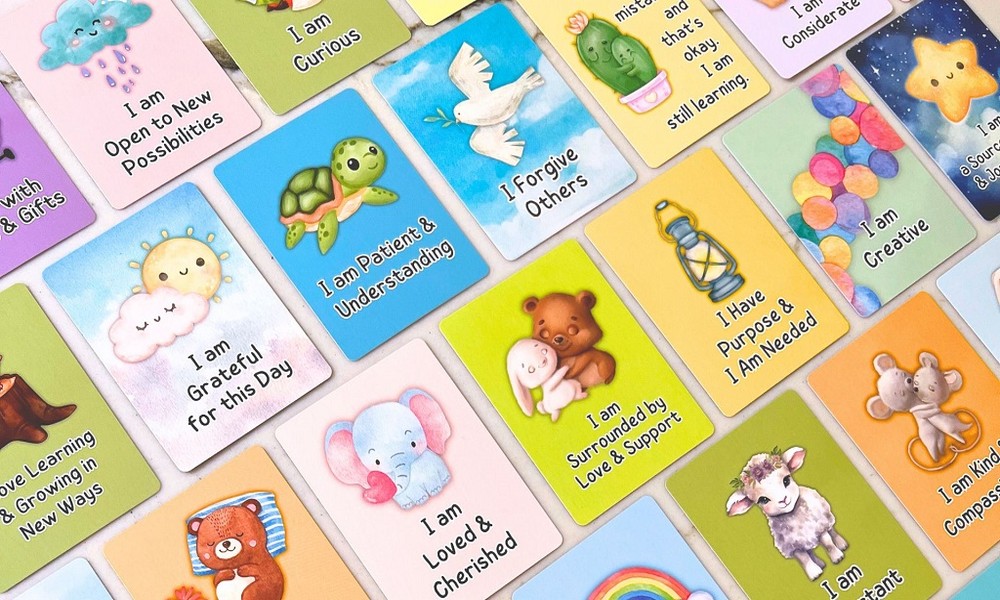
Creating a positive and supportive classroom environment is a cornerstone of effective teaching. While traditional methods like verbal praise and reward systems have long been used to encourage good behavior, tools like affirmation cards are emerging as a powerful way to foster positivity, self-esteem, and a sense of community among students.
These simple yet impactful cards can transform classroom dynamics, motivating students to embrace positive behaviors and contribute to a nurturing learning environment.
What Are Affirmation Cards?
Affirmation cards are small cards, often colorful and visually engaging, that contain short, positive statements or prompts. Examples include phrases like “I am capable of achieving my goals,” “I show kindness to others,” or “I am a valuable member of my classroom.” They are designed to reinforce positive thinking, self-awareness, and pro-social behavior.
While originally popular in self-help and wellness contexts, custom affirmation cards are increasingly being integrated into educational settings as a tool to support social-emotional learning (SEL).
Promoting Positive Behavior
Affirmation cards help promote positive behavior among students, making them a valuable classroom tool. Students often respond better to consistent, positive reinforcement than to punishment or correction. By regularly engaging with affirmations, students internalize these encouraging messages and begin to reflect them in their actions. For instance, a student who reads an affirmation about patience and cooperation may be more likely to wait their turn, help classmates, or approach conflicts with understanding.
Teachers can make affirmation cards a part of daily routines. For example, starting the day with a “morning affirmation” allows students to focus on positive intentions before diving into academic work. Cards can also be incorporated into behavior management strategies, where students receive affirmation cards for demonstrating kindness, responsibility, or teamwork. Over time, these cards help create a culture where positive behavior is noticed, appreciated, and repeated.
Enhancing Classroom Culture
Beyond individual behavior, affirmation cards contribute to building a stronger classroom culture. Classrooms thrive when students feel respected, included, and empowered. When affirmation cards are shared openly, they foster empathy and mutual support. For example, students can exchange cards with classmates to recognize acts of encouragement or teamwork, which helps build trust and a sense of belonging.
Teachers can use affirmation cards to spark conversations about values and social-emotional learning. By exploring the meaning behind each affirmation, students reflect on how their actions impact others and how they can embody these positive traits. This reflection not only promotes self-awareness but also encourages accountability and collaboration, essential elements of a healthy classroom environment.
Practical Tips for Using Affirmation Cards
To maximize the effectiveness of affirmation cards, teachers should:
- Personalize the Messages: Tailor affirmations to the needs and strengths of the students, ensuring they resonate with their experiences.
- Integrate Daily Practices: Incorporate cards into morning routines, transitions, or reflection periods.
- Encourage Sharing: Allow students to give affirmation cards to peers, fostering recognition and gratitude.
- Combine with Reflection: Pair cards with journaling or discussions to deepen understanding and encourage self-expression.
- Model Positive Behavior: Teachers should use affirmations themselves, demonstrating how to embrace positivity in actions and words.
Conclusion
Affirmation cards are more than just decorative classroom tools-they are catalysts for cultivating positive behavior, self-confidence, and a collaborative classroom culture.
By integrating these cards into daily routines, teachers can reinforce desired behaviors, promote social-emotional learning, and nurture a community where students feel valued and motivated.
In the process, affirmation cards help transform classrooms into spaces where positivity, empathy, and respect are the norm, setting the stage for academic success and personal growth.